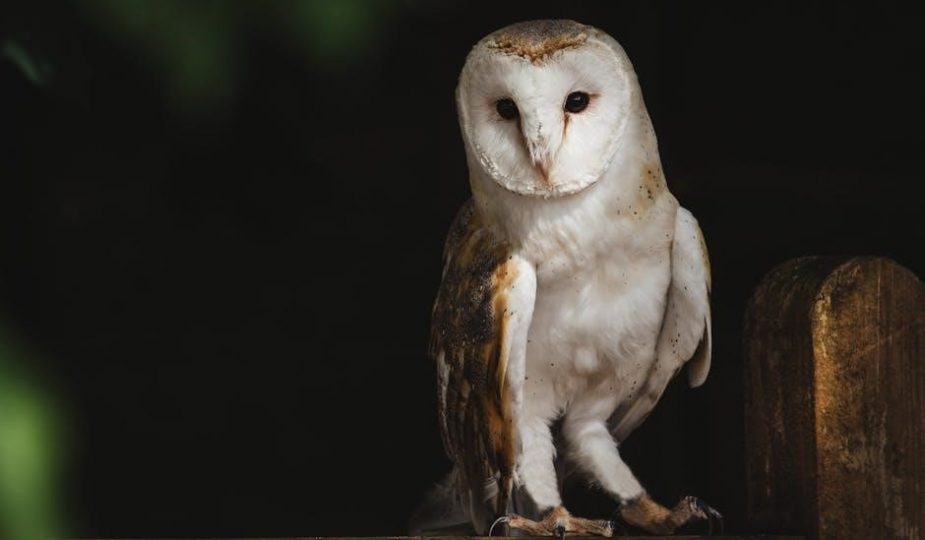
theHunter: Call of the Wild presents an immersive hunting experience, often daunting for newcomers; mastering trophy hunting requires understanding core mechanics and utilizing available resources.
Success hinges on utilizing the HunterMate app, understanding HUD elements, and strategically leveraging outposts and watchtowers for optimal hunting conditions.
Players should focus on completing score trophies alongside missions, as the game frequently presents exceptional animals during story progression, aiding in achieving high scores.
Understanding the Basics
theHunter: Call of the Wild initially feels complex, but grasping fundamental elements unlocks enjoyable, successful hunts. Familiarize yourself with the HUD – it displays vital information like wind direction, scent trails, and animal locations. The HunterMate app is invaluable; it provides detailed animal information, including preferred habitats and trophy potential.
Understanding animal behavior is crucial. Observe patterns, learn their routines, and utilize scent to your advantage. Mastering weapon ballistics and selecting appropriate ammunition for each species significantly impacts shot accuracy and ethical harvesting. Don’t underestimate the importance of patience and careful observation; a rushed shot often results in a missed opportunity or a wounded animal.
Utilizing outposts and watchtowers offers strategic vantage points for scouting and planning your approach.
The Importance of Trophy Score
In theHunter: Call of the Wild, trophy score isn’t merely a number; it represents an animal’s maturity, health, and genetic quality. Achieving high scores unlocks rewards, demonstrates hunting skill, and contributes to completing specific challenges. Diamond-class animals, boasting the highest scores, are particularly sought after.
Factors influencing score include antler size and shape (for deer and elk), horn length and circumference (for other species), and overall animal size. Understanding these criteria allows hunters to identify prime candidates. While luck plays a role, strategic hunting and careful animal assessment significantly increase your chances of bagging a magnificent trophy.
Prioritizing trophy quality enhances the overall hunting experience and provides a sense of accomplishment.
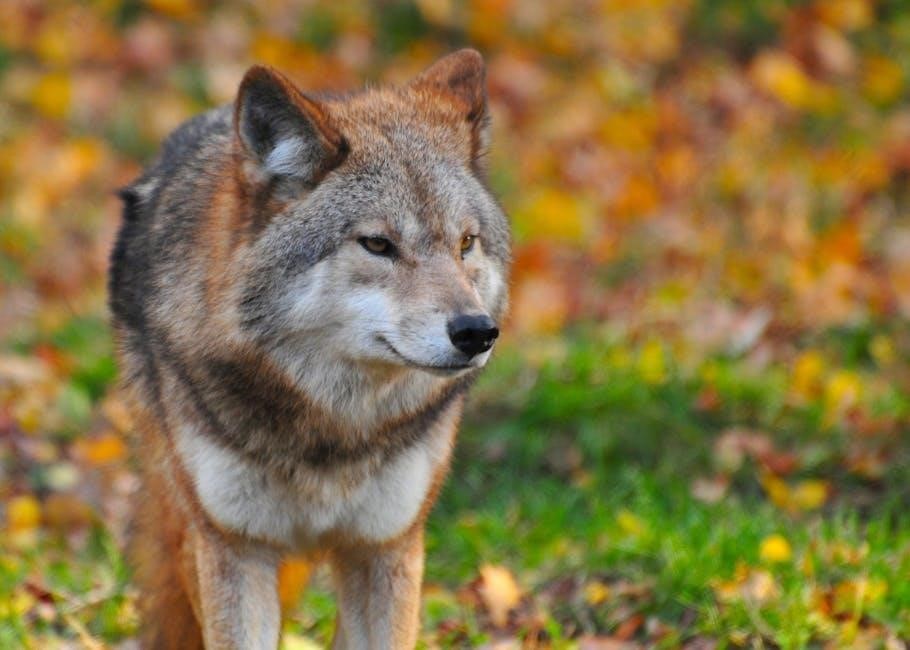
Hirschfelden Hunting Reserve ⸺ Trophy Guide
Hirschfelden, the original reserve, offers diverse hunting opportunities; mastering its regions and understanding species-specific trophy requirements is crucial for success.
Focus on completing the “Hero of Hirschfelden” achievement by harvesting an animal in every subregion, showcasing comprehensive hunting prowess.
Common Species and Their Trophy Requirements
Hirschfelden boasts a variety of species, each with unique trophy standards. Red Deer demand impressive antlers, prioritizing symmetry and point count for high scores; a “Great One” requires exceptional genetics.
Roe Deer necessitate careful assessment of palm shape and overall size, while Wild Boar trophies are judged on tusk length and width. Fallow Deer scoring focuses on palm curvature and point development.
Successfully harvesting a Diamond-class animal demands exceeding species-specific benchmarks, often requiring patience and precise shot placement. Understanding these requirements is paramount for dedicated hunters aiming for prestigious awards.
Prioritize learning animal anatomy and vital zones to ensure clean kills and maximize trophy quality, contributing to a rewarding hunting experience.
Locating High-Scoring Animals
Identifying prime trophy candidates in Hirschfelden requires diligent observation and strategic exploration. Utilize HunterMate to pinpoint animal locations and assess potential scores before engaging.
Focus on areas with high animal density and favorable terrain features, such as feeding grounds and watering holes. Pay attention to animal behavior; dominant individuals often occupy prime territories.
Scouting with binoculars reveals antler size and body mass, providing initial indicators of trophy potential. Remember that genetics play a crucial role; consistently hunting in rotation zones increases your chances.
Patiently stalk and observe animals before taking a shot, ensuring a clean kill and preserving trophy quality.
Utilizing the HunterMate App
The HunterMate app is indispensable for successful trophy hunting in theHunter: Call of the Wild. It provides real-time animal locations, wind direction, and scent trails, crucial for strategic approaches.
Leverage the app’s animal tracking features to identify high-scoring individuals and monitor their movements. Utilize the map to pinpoint optimal hunting zones and plan your routes effectively.
HunterMate also displays animal stats, including weight, age, and trophy score estimates, aiding in informed decision-making. Regularly check for updates and new features to maximize its utility.
Mastering HunterMate significantly enhances your hunting efficiency and increases your odds of bagging a diamond class trophy.
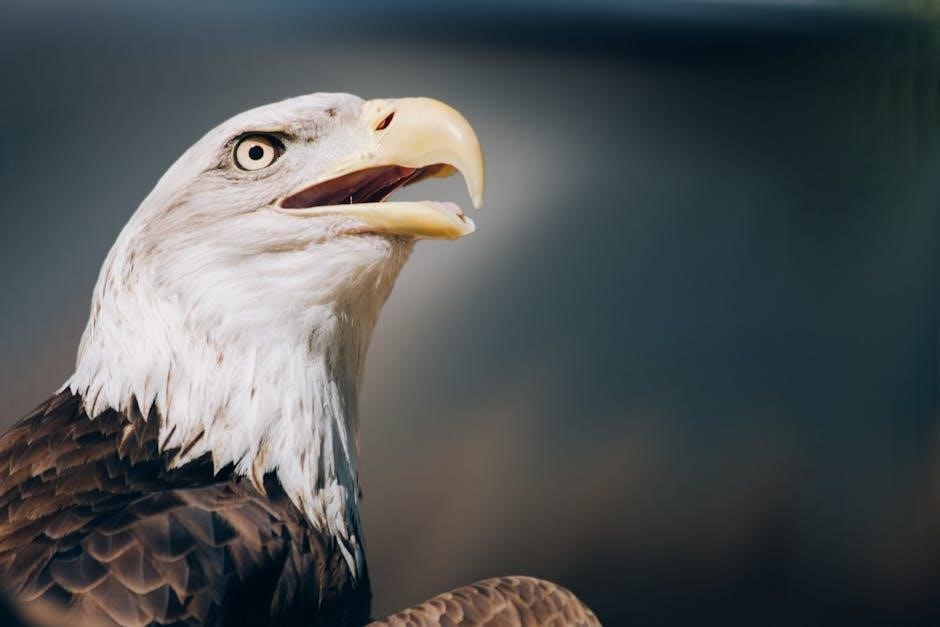
Silver Ridge Peaks ⸺ Trophy Guide
Silver Ridge Peaks presents unique hunting challenges due to its terrain and animal behavior; strategic zone identification and tailored approaches are vital for trophy success.
Unique Challenges of Silver Ridge Peaks
Silver Ridge Peaks distinguishes itself with a demanding landscape, presenting significant hurdles for hunters seeking impressive trophies. The steep, rocky terrain and dense forests limit visibility and necessitate careful navigation, impacting stalking and shot opportunities.
Animals exhibit heightened awareness in this environment, demanding increased stealth and precision. Wind direction is particularly crucial due to the open, elevated areas, easily carrying scent.
Successfully hunting here requires adapting to unpredictable weather patterns, including snowstorms that further reduce visibility and alter animal movement. Mastering long-range shooting is also essential, given the frequent need to engage targets at considerable distances across the challenging topography.
Identifying Prime Hunting Zones
Within Silver Ridge Peaks, certain zones consistently yield higher-scoring animals. Focus on the areas surrounding the outposts, particularly those offering elevated vantage points for scouting; The regions near Graves Lake and the Old Radar Station are known hotspots for mature bucks and rams.
Pay close attention to areas where multiple animal tracks converge, indicating feeding or resting grounds. Utilize the HunterMate app to identify animal rotation patterns and predict their movements within these zones.
Remember to check shooter zones frequently, as animals rotate through them, offering opportunities for harvesting impressive trophies. Consistent scouting and observation are key to pinpointing the most productive hunting locations.
Specific Animal Strategies for Silver Ridge Peaks
For Rocky Mountain Elk, focus on calling during the rutting season near dense forest edges. Utilize wind direction to your advantage, as their sense of smell is acute. Bighorn Sheep require patience; stalk them slowly along rocky slopes, utilizing camouflage to blend with the terrain.
Mule Deer are often found browsing in meadows; employ stands and blinds for concealment. When hunting Mountain Goats, prioritize stable footing and accurate shots due to the challenging terrain.
Remember to select appropriate ammunition for each species to maximize stopping power and ensure clean harvests, contributing to higher trophy scores.
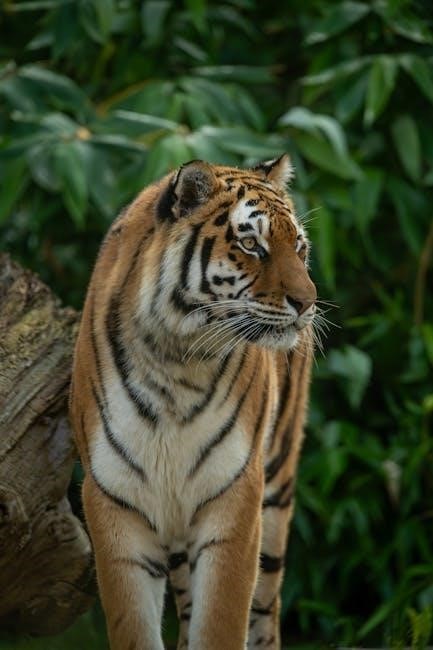
New England Mountains ⸺ Trophy Guide
New England Mountains demand navigating complex terrain; mastering advanced hunting techniques is crucial for success. Key species inhabit specific habitats, requiring tailored strategies for optimal results.
Navigating the Terrain
New England’s diverse landscape presents unique navigational challenges for hunters. Steep inclines, dense forests, and rocky outcrops demand careful planning and execution. Utilizing the map effectively is paramount, identifying elevation changes and potential ambush points.
Pay close attention to wind direction, as it significantly impacts scent dispersal across the varied terrain. Employing a methodical approach, systematically scanning areas, and utilizing vantage points like hillsides will increase your chances of spotting prime specimens.
Remember that animals adapt to the terrain, so anticipate their movement patterns based on the landscape features. Slow, deliberate movement and careful foot placement are essential for minimizing noise and remaining undetected.
Key Species and Their Habitats
New England boasts a rich variety of wildlife, each with preferred habitats. White-tailed deer frequent forested areas and meadows, while black bears are often found near berry patches and streams. Wild boars thrive in dense undergrowth and swampy regions.
Understanding these preferences is crucial for successful hunting. Focus your efforts in areas exhibiting signs of animal activity – tracks, droppings, and rubs. Pay attention to seasonal changes, as animal movements shift with food availability and breeding cycles.
Prioritize learning the specific behaviors of each species to anticipate their movements and increase your chances of a clean, ethical harvest.
Advanced Hunting Techniques for New England
New England’s challenging terrain demands advanced hunting strategies. Utilize stands and blinds strategically, considering wind direction and prevalent animal travel routes. Mastering scent control is paramount, employing scent-eliminating sprays and clothing.
Employ calling techniques to lure animals into range, mimicking their vocalizations. Practice patience and observation; understanding animal behavior is key. Experiment with different ammunition types to maximize stopping power and minimize meat damage.
Remember, ethical hunting prioritizes a quick, clean kill, respecting the animal and the environment.
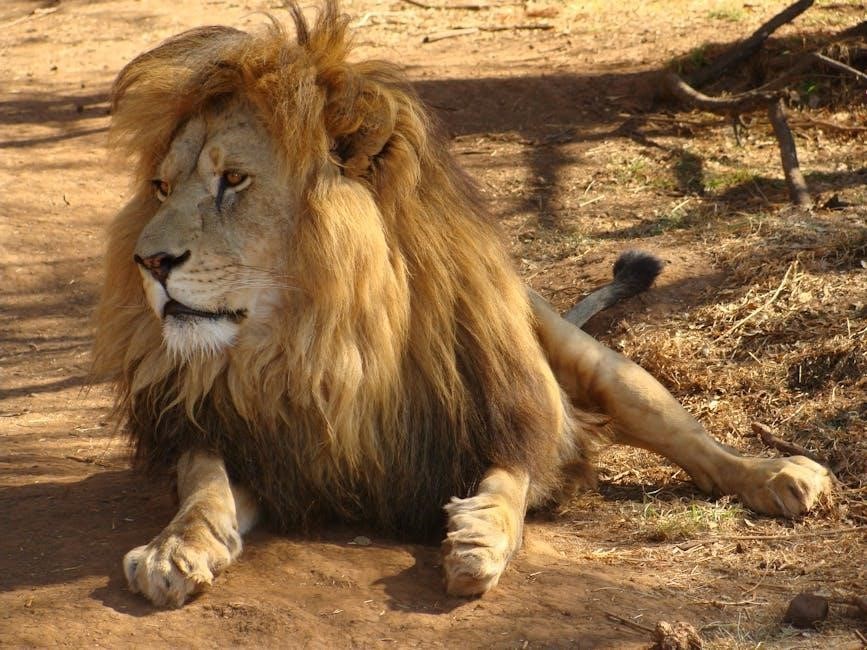
Vurhonga Savanna — Trophy Guide
Vurhonga Savanna requires understanding African wildlife, employing effective tracking and stalking techniques, and preparing for dangerous game hunting scenarios for trophy success.
Understanding African Wildlife
Vurhonga Savanna’s wildlife presents unique challenges. Unlike other reserves, animals exhibit distinct behaviors influenced by the African environment; understanding these nuances is crucial for successful hunting.
Species like the Sable Antelope and African Buffalo demand respect and careful observation. Their routines are dictated by water sources and grazing patterns, creating predictable, yet challenging, hunting opportunities.
Pay close attention to herd dynamics and individual animal characteristics. Recognizing dominant individuals and understanding social structures will significantly improve your stalking and shot placement. Knowledge of their habits is paramount for securing impressive trophies.
Preparation and awareness are key to navigating this diverse ecosystem.
Tracking and Stalking Techniques
Vurhonga Savanna demands refined tracking skills. Utilize scent trails and spoor to locate animals, paying attention to wind direction to avoid detection. The open terrain requires low-profile movement and strategic use of cover.
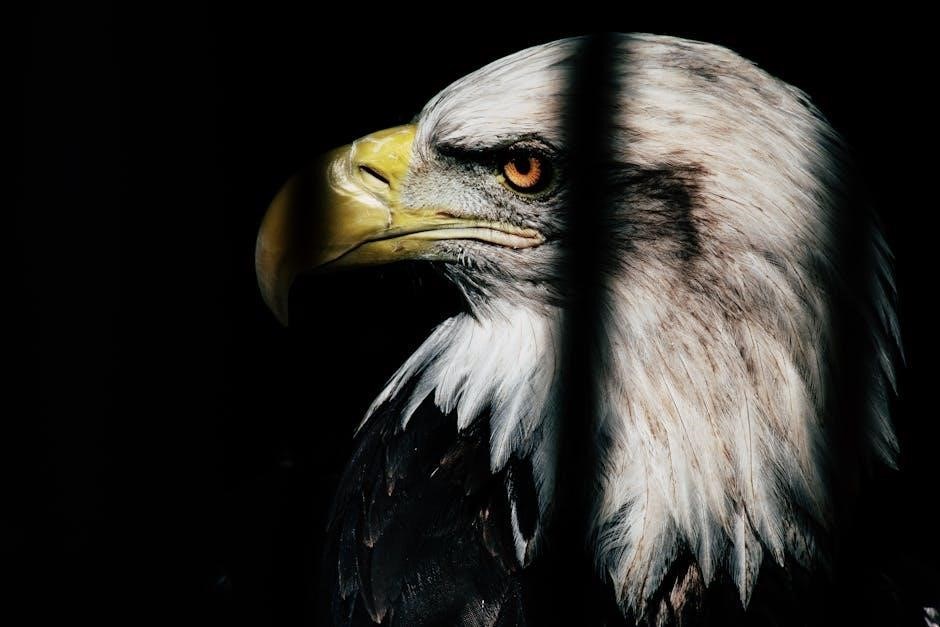
Stalking often involves navigating tall grasses and brush, demanding patience and precision. Observe animal behavior – feeding patterns, resting spots, and travel routes – to anticipate their movements.
Employ distractions like calling or scent lures to manipulate animals into favorable positions. Remember, a successful stalk prioritizes minimizing noise and maintaining a downwind approach for a clean, ethical shot, maximizing trophy quality.
Practice makes perfect in this challenging environment.
Dangerous Game Hunting Strategies
Vurhonga Savanna presents unique dangers with its powerful wildlife. Hunting animals like elephants and rhinos requires careful planning and powerful weaponry – high-caliber rifles are essential for a quick, ethical takedown.
Always prioritize safety; these animals can charge rapidly. Maintain a safe distance and utilize natural cover whenever possible. Understanding their behavior is crucial – observe their reactions to your presence.
Shot placement is paramount. Aim for vital organs to ensure a swift kill. Be prepared for follow-up shots, and always have an escape route planned. Respect these magnificent creatures and hunt responsibly.
Preparation is key to survival.
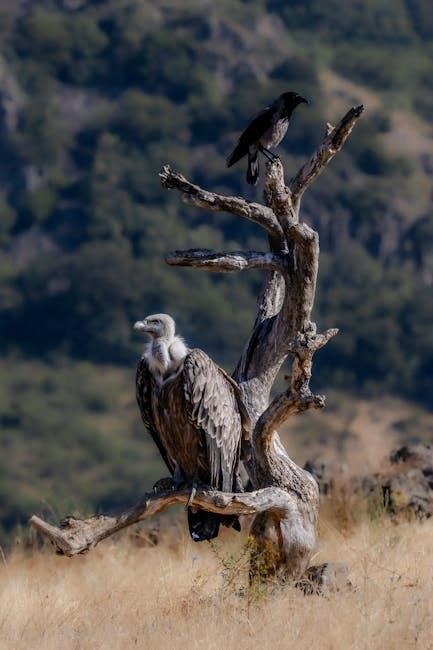
Mississippi Acres Preserve ⸺ Trophy Guide
Mississippi Acres offers a distinct hunting environment; success relies on adapting strategies and focusing on specific species within this unique preserve, utilizing stands and blinds.
Hunting in a Different Environment
Mississippi Acres Preserve dramatically shifts the hunting paradigm, presenting a dense, wooded landscape unlike the open reserves found elsewhere. This necessitates a change in tactics, moving away from long-range shots and embracing closer-quarters stalking.
The thick vegetation demands careful attention to wind direction and scent control, as animals are easily alerted. Utilizing stands and blinds becomes crucial for concealment, allowing hunters to patiently wait for the perfect opportunity.
Expect shorter sightlines and a greater emphasis on identifying animal movement through sound and subtle visual cues. Mastering these adjustments is key to consistently bagging high-scoring trophies in this challenging, yet rewarding, environment.
Focusing on Specific Species
Mississippi Acres Preserve boasts unique species requiring tailored hunting approaches. White-tailed deer are prevalent, demanding patience and precise shot placement due to the dense cover. Wild boar present a different challenge, often appearing in groups and requiring quick reflexes.
Prioritize learning the preferred habitats and behavioral patterns of each species within the preserve. Scouting for tracks and droppings will reveal frequently used trails and feeding areas.
Adapting your ammunition choice to suit the specific animal’s size and toughness is also vital for clean kills and maximizing trophy quality. Focused effort on these key species will yield the best results.
Utilizing Stands and Blinds
Mississippi Acres Preserve’s dense vegetation makes stands and blinds essential for successful hunts. Strategically placed, they minimize scent detection and provide concealed vantage points. Prioritize locations overlooking well-worn trails, feeding grounds, or near water sources.
Regularly check wind direction to ensure your scent isn’t carried towards potential game. Utilize scent cover sprays to further mask your presence. Patience is key; remain still and quiet while awaiting your target.
Experiment with different stand heights and blind camouflage to optimize concealment within the specific environment. Effective use of these tools dramatically increases your chances of a clean, ethical harvest.

Diamond Class Trophy Hunting
Diamond quality depends on antler development, difficulty, and overall trophy score. Focus on these factors to maximize your chances of bagging a truly exceptional animal.
Factors Influencing Diamond Quality
Diamond class animals in theHunter: Call of the Wild represent the pinnacle of hunting achievement, but securing one isn’t simply about luck. Several key factors determine whether an animal qualifies for this prestigious rank. Antler development is paramount, with larger, more complex antlers significantly boosting the trophy score.
The inherent difficulty of the animal itself plays a role; rarer and more elusive species naturally present a greater challenge. Finally, the overall trophy score, calculated based on various measurements, is the ultimate deciding factor. Understanding these elements allows hunters to strategically target animals with the highest potential for achieving Diamond class status.
Careful assessment before taking the shot is crucial for maximizing your chances.
Maximizing Your Chances of a Diamond Kill
To consistently pursue Diamond class animals in theHunter: Call of the Wild, a proactive approach is essential. Don’t actively seek them out, but focus on identifying animals with promising antler development or exceptional size. Prioritize hunting during peak activity times, often dawn and dusk, when animals are more likely to be visible.
Utilize scent blockers and wind direction to remain undetected, and employ patient stalking techniques. A clean, well-placed shot is critical; practice your shooting skills and select appropriate ammunition for the target species. Remember, patience and observation are key to unlocking these rare trophies.
Consistent hunting and careful observation will yield results.
Post-Harvest Trophy Assessment
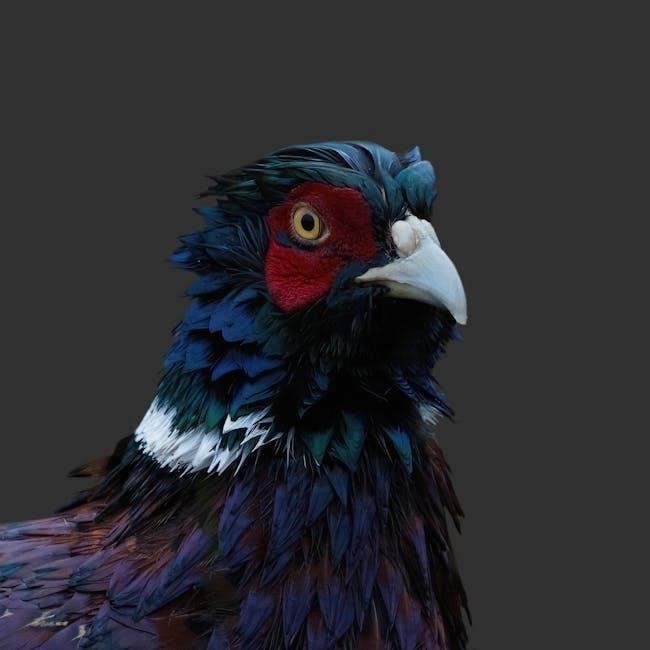
After a successful harvest in theHunter: Call of the Wild, a thorough trophy assessment is crucial. The game calculates scores based on antler size, weight, and overall quality. Pay close attention to these metrics, as they determine the animal’s classification – from Bronze to Diamond.
Understanding the scoring system allows you to identify potential Great One candidates. Utilize the in-game information to analyze the animal’s attributes and compare it to previous harvests. Remember that factors like difficulty and overall score contribute to the final trophy quality.
Careful assessment ensures you’re maximizing your hunting achievements.
General Hunting Tips for Trophy Success
Trophy success in theHunter: Call of the Wild demands mastering wind direction, scent control, and precise weapon ballistics, alongside keen animal behavior observation.
Strategic positioning and understanding animal patterns are vital for consistently harvesting high-scoring animals across all reserves.
Wind Direction and Scent Control
Scent control is paramount for successful trophy hunting in theHunter: Call of the Wild. Animals possess a keen sense of smell, and detecting your scent will instantly alert them to your presence, ruining your stalk.
Always check the wind direction using the HUD; ideally, position yourself downwind of your target. Utilize scent-blocking sprays and clothing to minimize your olfactory signature. Regularly reassess the wind as it shifts, impacting your approach.
Understanding prevailing wind patterns within each reserve is crucial. Pay attention to terrain features that can channel or disrupt the wind, creating scent pockets. Mastering scent control significantly increases your chances of a clean, undetected shot at a prime trophy animal.
Weapon Selection and Ballistics
Choosing the correct weapon is vital for ethically harvesting trophy animals in theHunter: Call of the Wild. Different species require varying levels of stopping power; consider the animal’s size and bone structure.
Understand bullet drop and travel time – crucial for accurate long-range shots. Utilize the in-game rangefinder to compensate for distance. Experiment with different ammunition types to maximize damage and minimize pelt damage.
Regularly zero your weapon to maintain accuracy. Mastering ballistics, coupled with ethical shot placement, ensures a quick, humane kill, preserving the quality of your hard-earned trophy.
Understanding Animal Behavior
Successful trophy hunting in theHunter: Call of the Wild demands a deep understanding of animal behavior. Animals follow established routines, influenced by time of day, weather, and breeding seasons.
Learn to identify feeding grounds, bedding areas, and travel routes. Pay attention to wind direction, as scent control is paramount. Observe animal reactions to your presence – alertness indicates a compromised position.
Utilize calls strategically to lure animals into range, but avoid overusing them. Patience and observation are key; understanding their habits dramatically increases your chances of bagging a magnificent trophy.