
The Nikon F4, a professional-grade SLR, boasts a comprehensive manual for optimal use. Access the PDF manual – 111 pages in English – for detailed guidance.
Nikon provides two F4 versions; familiarize yourself with your model before diving in. This manual covers installation, operation, and essential maintenance procedures.
Before operation, thoroughly read the manual to unlock the Nikon F4’s exciting features. Resources and support are readily available alongside the official PDF.
Overview of the Nikon F4
The Nikon F4, released in 1988, represents a significant advancement in Nikon’s professional film SLR lineup. Its robust build and advanced features catered to demanding photographers. The comprehensive instruction manual, available as a 111-page PDF, is crucial for understanding its capabilities.
This camera offers a blend of automated and manual controls, appealing to both experienced and developing photographers. The manual details two versions: the standard F4 and the high-speed F4s. Mastering the Nikon F4 requires diligent study of its manual, covering everything from battery installation to complex custom functions.
The manual ensures users can fully utilize the camera’s potential, including its autofocus system and various exposure modes. It’s a vital resource for unlocking the full power of this iconic camera.
Key Features and Specifications
The Nikon F4’s instruction manual details its impressive specifications. Key features include five autofocus points, a matrix metering system, and a top shutter speed of 1/4000th of a second. The manual explains how to access and utilize these features effectively.
It supports multiple exposure modes and offers extensive custom functions, all thoroughly documented within the 111-page PDF. The manual also covers compatibility with various Nikon lenses and external flashes. Understanding these specifications, as outlined in the manual, is vital for optimal performance.
The Nikon F4’s advanced capabilities are fully revealed through careful study of its comprehensive instruction manual.

Getting Started with Your Nikon F4
The Nikon F4 manual guides initial setup, covering battery installation and memory card insertion. Familiarize yourself with the camera’s control layout for smooth operation.
Battery Installation and Powering On
The Nikon F4 manual details battery installation, crucial for initial operation. Ensure correct polarity when inserting batteries into the camera compartment. The manual emphasizes using recommended battery types for optimal performance and longevity.
After battery installation, locate the power switch, typically found on the camera’s top panel. Switching the power on initiates the camera’s self-check sequence, briefly displaying information on the viewfinder. Refer to the manual for troubleshooting if the camera fails to power on, as it outlines potential error solutions.
Always consult the PDF manual for specific battery details and power-saving features available on your Nikon F4 model.
Inserting and Removing Memory Cards
The Nikon F4 manual provides clear instructions for memory card handling. Locate the memory card slot, typically on the camera’s side or bottom. Gently insert the compatible memory card, ensuring it clicks securely into place. Avoid forcing the card, as this could cause damage.
To remove the card, usually a release latch needs to be pressed. The manual details the specific release mechanism for your Nikon F4 model. Always eject the card before attempting removal to prevent data loss or card corruption.
Refer to the PDF manual for supported card types and capacity limits.
Understanding the Control Layout
The Nikon F4 manual emphasizes familiarizing yourself with the camera’s controls. Key elements include the mode dial, shutter speed dial, aperture control, and autofocus settings. The manual provides a detailed diagram illustrating each control’s location and function.
Custom functions, accessible through the menu, allow personalization of the control layout. Learn to navigate the rear control panel for quick access to essential settings. The PDF manual offers a comprehensive guide to each button and dial.
Mastering the layout enhances shooting efficiency.

Shooting Modes Explained
The Nikon F4 manual details auto exposure, programmed auto, aperture-priority, shutter-priority, and manual modes. Understanding these options unlocks creative control.
Explore each mode’s function within the PDF.
Auto Exposure Modes
The Nikon F4 manual comprehensively explains the camera’s auto exposure capabilities, designed for efficient and reliable shooting in various conditions. These modes simplify operation, allowing photographers to concentrate on composition and capturing the moment. The PDF guide details how the camera automatically selects the optimal aperture and shutter speed combinations.
Understanding these modes – including Programmed Auto, Aperture-Priority, and Shutter-Priority – is crucial for maximizing the Nikon F4’s potential. The manual provides clear instructions on when and how to utilize each auto exposure setting for best results, ensuring consistently well-exposed photographs.
Programmed Auto Exposure
The Nikon F4 manual details Programmed Auto Exposure as a fully automatic mode where the camera determines both aperture and shutter speed. This simplifies shooting, ideal for general photography when precise control isn’t paramount. The PDF guide explains how the camera balances these settings for optimal exposure, based on its internal metering system.
While convenient, the manual also advises understanding its limitations. Photographers relinquish direct control, potentially impacting creative effects like depth of field. The Nikon F4’s programmed auto mode offers a balance between ease of use and image quality, as described within the comprehensive documentation.
Aperture-Priority Auto Exposure
The Nikon F4 manual explains Aperture-Priority Auto Exposure allows photographers to select the desired aperture (f-stop), controlling depth of field, while the camera automatically sets the shutter speed for correct exposure. This mode is excellent for portraits or landscapes where specific focus control is crucial.
The PDF guide details how the camera’s metering system calculates the appropriate shutter speed, ensuring a well-exposed image. Understanding aperture’s impact on depth of field, as outlined in the manual, is key to mastering this mode. It offers a creative balance between control and automation.
Shutter-Priority Auto Exposure
The Nikon F4 manual details Shutter-Priority Auto Exposure, where the photographer sets the shutter speed to freeze motion or create motion blur, while the camera automatically adjusts the aperture for proper exposure. This mode is ideal for sports or fast-moving subjects.
The PDF guide explains how the camera’s metering system determines the correct aperture setting. Mastering shutter speed’s effect on motion, as described in the manual, is vital. This mode provides control over time, allowing creative expression and capturing dynamic scenes effectively.
Manual Exposure Mode
The Nikon F4 manual thoroughly explains Manual Exposure Mode, granting the photographer complete control over both aperture and shutter speed. This mode is crucial for situations where automatic modes struggle, like challenging lighting or specific creative effects.
The PDF guide details how to use the camera’s metering system as a reference, but ultimately, the photographer dictates the exposure. Mastering this mode, as the manual instructs, requires understanding the interplay between aperture, shutter speed, and ISO for precise image control.
Focusing System
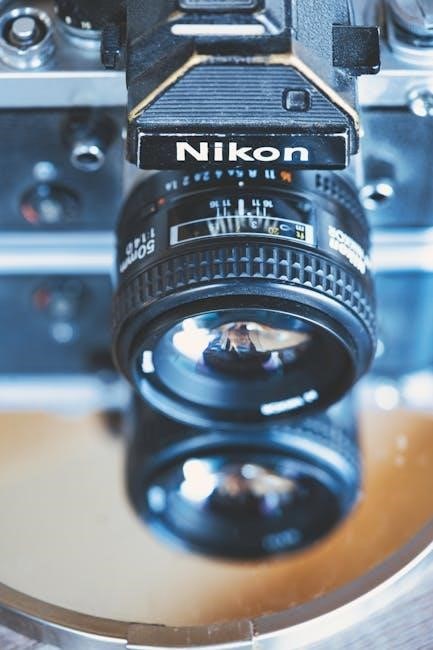
The Nikon F4 manual details autofocus modes and manual techniques. To manually focus, switch the lens to ‘M’ as described in the PDF guide.
Autofocus Modes and Settings
The Nikon F4 manual comprehensively explains the camera’s autofocus capabilities. Understanding these settings is crucial for capturing sharp images in various shooting scenarios. The PDF guide details how to select appropriate autofocus modes based on subject movement and desired results.
Explore single-servo AF for stationary subjects and continuous-servo AF for tracking moving objects. Learn to adjust autofocus sensitivity to optimize performance in challenging lighting conditions. The manual also covers focus area selection, allowing you to prioritize focus on specific points within the frame, ensuring critical elements remain sharp.
Manual Focusing Techniques
The Nikon F4 manual provides detailed instructions for precise manual focusing. To engage manual focus, switch the lens focus mode to ‘M’. Utilize the viewfinder’s microprism collar and split-image rangefinder for accurate focusing, especially beneficial in low light or when autofocus struggles.
The PDF guide emphasizes slow, deliberate adjustments of the focusing ring while observing the image sharpness in the viewfinder. Practice makes perfect; mastering manual focus unlocks creative control and ensures sharpness when autofocus isn’t ideal. Fine-tune focus for critical sharpness.
Focus Lock and Focus Area Selection
The Nikon F4 manual details focus lock functionality, allowing you to separate focusing from shooting. Half-press the shutter button to lock focus on a subject, then recompose the shot without refocusing – ideal for off-center subjects.
The PDF guide explains the F4’s autofocus area selection options. Choose from single-area, dynamic-area, or closest-subject priority modes to suit your scene. Understanding these modes, as outlined in the manual, enhances autofocus accuracy and tracking performance.
Exposure Control
The Nikon F4 manual comprehensively covers metering modes, exposure compensation, and depth of field control. Master these settings for precise image exposure.
Refer to the PDF for detailed explanations and practical guidance on achieving optimal results in various shooting scenarios.
Metering Modes Explained
The Nikon F4 manual details several metering modes crucial for accurate exposure. Understanding these is key to mastering the camera’s capabilities. The camera offers various options, allowing photographers to tailor exposure measurement to specific scenes.
These modes include Matrix, Center-weighted average, and Spot metering. Matrix metering evaluates the entire frame, ideal for general scenes. Center-weighted prioritizes the center of the image, suitable for portraits. Spot metering measures a very small area, perfect for challenging lighting situations.
The PDF manual provides in-depth explanations of each mode, including when and how to use them effectively. Experimenting with these settings will unlock greater control over your images.
Exposure Compensation
The Nikon F4 manual explains exposure compensation as a vital tool for fine-tuning image brightness. When the camera’s metering system is fooled by tricky lighting – like very bright or dark scenes – compensation adjusts the exposure.
This feature allows photographers to override the camera’s automatic settings, brightening or darkening the image as needed. The F4 offers a range of compensation values, typically expressed in stops (+/- EV).
Consult the PDF manual for detailed instructions on accessing and utilizing exposure compensation. Mastering this function ensures accurate exposures in challenging conditions, resulting in well-balanced photographs.
Depth of Field Control
The Nikon F4 manual details depth of field control, a crucial element for creative photography. Depth of field refers to the area in your image that appears acceptably sharp. It’s influenced by aperture, focal length, and distance to the subject.
A wider aperture (lower f-number) creates a shallow depth of field, isolating the subject with a blurred background. Conversely, a narrower aperture (higher f-number) yields a greater depth of field, keeping more of the scene in focus.
The PDF manual provides guidance on utilizing these settings on the Nikon F4 to achieve desired artistic effects.
Advanced Features
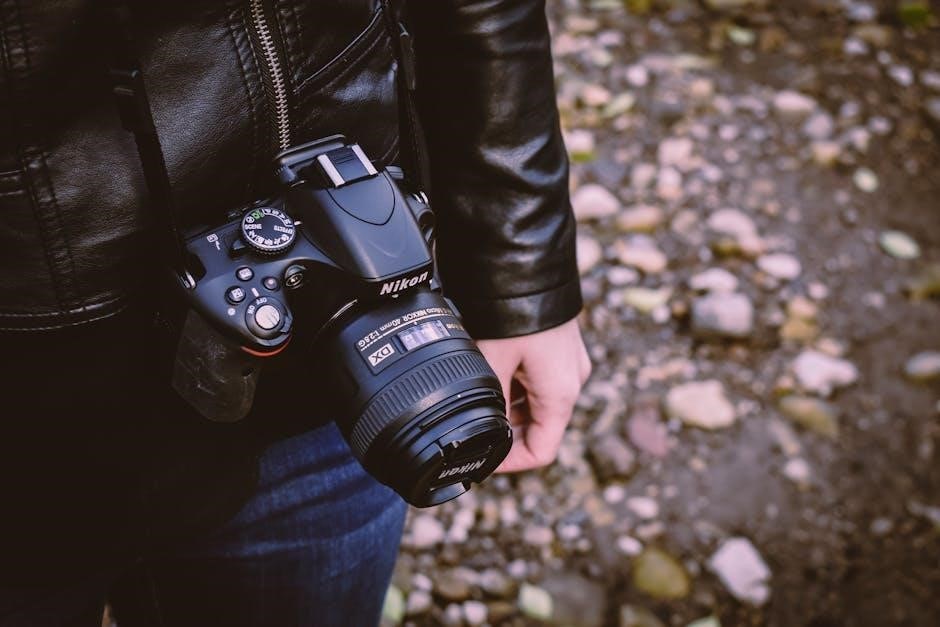
The Nikon F4 manual unlocks custom functions, multiple exposure modes, and high-speed continuous shooting. Explore these features for enhanced photographic control and creativity.
Custom Functions
The Nikon F4’s custom functions allow photographers to tailor the camera’s operation to their specific shooting style. The manual details how to personalize controls, streamlining workflow and enhancing efficiency.
These customizable settings cover a wide range of camera behaviors, from autofocus and metering to display options and button assignments. By adjusting these functions, users can optimize the F4 for various photographic scenarios.
Refer to the PDF manual for a complete list of available custom functions and step-by-step instructions on how to configure them. Mastering these settings unlocks the camera’s full potential.
Multiple Exposure Mode
The Nikon F4 offers a versatile multiple exposure mode, enabling the creation of surreal and artistic images by combining several exposures into a single frame. The manual provides detailed guidance on accessing and utilizing this feature.
Photographers can choose to combine a specified number of exposures or continuously layer them until manually stopped. The manual explains how to control the blending of each exposure, influencing the final image’s aesthetic.
Consult the PDF manual for precise instructions on setting exposure times and selecting blending modes to achieve desired creative effects with the Nikon F4’s multiple exposure capabilities.
High-Speed Continuous Shooting
The Nikon F4 is equipped with a high-speed continuous shooting mode, ideal for capturing fast-action sequences. The manual details how to activate this feature and optimize camera settings for peak performance.
Different F4 versions, like the Nikon F4s, offer varying high-speed capabilities. The PDF manual clarifies the specific frame rates achievable with your model and explains the impact on battery life.
Refer to the manual for guidance on selecting appropriate autofocus settings and drive modes to ensure sharp, well-timed images during continuous shooting with your Nikon F4.
Using the Viewfinder
The Nikon F4’s manual explains the viewfinder’s information display, crucial for precise framing and settings. Adjust the diopter for optimal clarity, as detailed in the PDF.
Viewfinder Information Display
The Nikon F4’s viewfinder presents a wealth of shooting data, as thoroughly explained in the camera’s manual. Expect to see exposure settings, autofocus confirmation, and metering mode indicators clearly visible during composition.
Understanding these displayed elements is key to mastering the F4. The manual details each icon and numerical value, ensuring you can quickly assess and adjust settings without taking your eye from the subject.
Furthermore, the PDF manual illustrates how to customize certain display elements, tailoring the viewfinder information to your specific shooting preferences and needs. This customization enhances efficiency and control;
Diopter Adjustment
The Nikon F4’s manual emphasizes the importance of diopter adjustment for sharp viewfinder images. This feature compensates for individual eyesight, ensuring accurate focusing without glasses for many users.
Located near the viewfinder eyepiece, the diopter control allows you to fine-tune the focus of the viewfinder’s image itself. The PDF manual provides step-by-step instructions on how to adjust it correctly.
Proper adjustment is crucial; focus on a distant object and rotate the diopter until the viewfinder image appears perfectly sharp. Refer to the Nikon guide for optimal results and a comfortable shooting experience.
Flash Photography
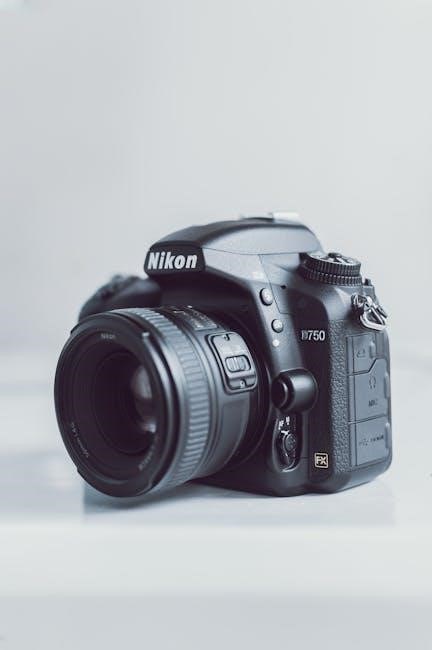
The Nikon F4 manual details built-in flash operation and compatibility with external flashes. Explore various flash modes and settings for optimal illumination.
Built-in Flash Operation
The Nikon F4’s integrated flash offers versatile lighting options. Refer to the manual for detailed instructions on utilizing this feature effectively. Understanding the flash modes – auto, red-eye reduction, and fill-flash – is crucial for achieving desired results.
The manual explains how to activate and deactivate the built-in flash, alongside adjusting its intensity. It also covers scenarios where the flash automatically fires, and how to override these settings. Proper use of the built-in flash enhances image quality in low-light conditions, providing convenient illumination when external flash units aren’t available.
Always consult the Nikon F4 manual for specific guidance on flash synchronization and potential limitations.
External Flash Compatibility
The Nikon F4 is designed for seamless integration with a wide range of Nikon Speedlights. The manual details compatible flash units and their specific functionalities when connected to the camera. Understanding the hot shoe interface and TTL (Through-The-Lens) flash metering is essential for optimal performance.
The manual provides instructions on connecting external flashes, configuring flash modes, and utilizing advanced features like high-speed sync and wireless flash control. It also explains how to adjust flash exposure compensation for precise lighting adjustments.
Refer to the Nikon F4 manual for a comprehensive list of compatible flash units and their supported features.
Flash Modes and Settings
The Nikon F4 manual details various flash modes, including TTL, auto, and manual settings, allowing photographers precise control over flash output. Understanding these modes is crucial for achieving desired lighting effects. The manual explains how to adjust flash exposure compensation to fine-tune brightness.
Explore settings for high-speed sync, enabling faster shutter speeds with flash, and rear-curtain sync, altering flash timing for creative effects. The manual also covers red-eye reduction and wireless flash control options.
Mastering these settings, as outlined in the Nikon F4 guide, unlocks the full potential of your flash photography.
Menu Navigation
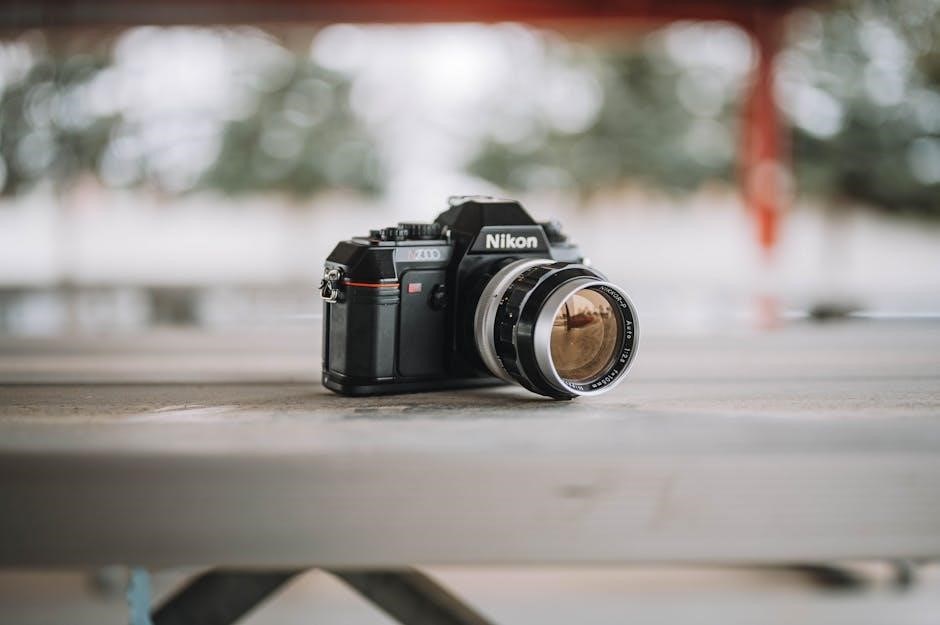
The Nikon F4 manual details a structured menu system for customizing camera settings. Learn to navigate efficiently and personalize functions for optimal shooting experiences.
Understanding the Menu Structure
The Nikon F4’s menu system, as detailed in the manual, is logically organized into several categories. These include Setup, Custom Functions, Image Quality, and more. Each category contains numerous options for tailoring the camera to your specific needs.
Navigating the menus involves using the multi-selector and the command dials. The manual emphasizes understanding the hierarchical structure – moving through sub-menus to access specific settings. Pay close attention to the PDF manual’s diagrams illustrating the menu flow. Customizing these settings allows photographers to optimize the Nikon F4 for diverse shooting scenarios.
Customizing Menu Settings
The Nikon F4 manual details extensive customization options within its menu system. Users can personalize settings like autofocus behavior, metering preferences, and display information. The “Custom Functions” section, highlighted in the PDF, is particularly powerful.
Adjusting these settings allows photographers to tailor the camera to their shooting style. The manual stresses the importance of experimenting to find optimal configurations. Remember to document your changes! Careful customization unlocks the Nikon F4’s full potential, enhancing workflow and creative control.

Troubleshooting Common Issues
The Nikon F4 manual addresses error messages and solutions. It also provides guidance if the camera fails to power on, aiding quick problem resolution.
Error Messages and Solutions
The Nikon F4 manual is crucial for deciphering any error messages displayed on the camera’s LCD. These messages indicate specific issues, ranging from minor malfunctions to more serious problems requiring professional attention.
The manual details each error code and provides corresponding solutions. Common issues addressed include film transport errors, exposure control problems, and autofocus malfunctions; Following the recommended troubleshooting steps can often resolve the issue quickly, minimizing downtime.
If an error persists despite consulting the manual, seeking assistance from a qualified Nikon service center is advised to prevent further damage.
Camera Not Powering On
The Nikon F4 manual addresses the frustrating issue of the camera failing to power on. First, verify the battery installation is correct, ensuring proper polarity. Check battery contacts for corrosion or debris, cleaning them gently if necessary.
Confirm the batteries have sufficient charge; low batteries are a frequent cause. If using an external power source, ensure it’s securely connected and functioning. The manual details battery types supported by the Nikon F4.
If the problem persists, consult the manual’s troubleshooting section for further diagnostic steps.

Maintenance and Care
The Nikon F4 manual stresses regular cleaning of the camera body and careful lens care. Proper storage protects your investment, ensuring longevity and optimal performance.
Cleaning the Camera Body
The Nikon F4 manual recommends gentle cleaning to maintain its functionality. Use a soft, dry cloth to wipe the exterior, removing dust and fingerprints regularly. Avoid harsh chemicals or solvents, as these can damage the finish.
For stubborn dirt, lightly dampen the cloth with water, ensuring it’s wrung out thoroughly. Pay attention to the viewfinder window and any crevices where dust accumulates. Never attempt to disassemble the camera for cleaning; this should be left to qualified professionals.
Regular, careful cleaning prevents buildup and ensures reliable operation of your Nikon F4.
Lens Care and Storage
The Nikon F4 manual emphasizes proper lens care for optimal image quality. Always use a blower to remove loose dust before wiping the lens surface. Employ lens cleaning paper and a dedicated lens cleaning solution – avoid household cleaners.
When storing your lenses, ensure they are in a dry, dust-free environment. A lens case is highly recommended to protect against scratches and impacts. Avoid prolonged exposure to direct sunlight or extreme temperatures.
Regular cleaning and careful storage will preserve the performance of your Nikon lenses.

Downloading the PDF Manual
The Nikon F4 manual is readily available as a PDF file, containing 111 pages of detailed instructions. Access it online for convenient viewing!
Numerous resources offer the manual, ensuring easy access to support and comprehensive guidance for your Nikon camera.
Accessing the Official Nikon F4 Manual
Finding the official Nikon F4 manual is straightforward thanks to numerous online resources. A comprehensive PDF version, spanning 111 pages, provides detailed instructions in English. Several websites archive camera manuals, offering direct download links for this classic SLR.
Look for sites specializing in camera documentation; they often host the original Nikon documentation. Ensure the PDF is legitimate and complete to benefit from the full scope of information. This manual covers everything from basic operation to advanced features, ensuring you can fully utilize your Nikon F4.
Prioritize official sources for accuracy.
Resources for Additional Support
Beyond the official Nikon F4 manual, a vibrant community offers support. Online photography forums dedicated to film cameras frequently discuss the F4, providing troubleshooting advice and user experiences. Websites archiving vintage camera information often include FAQs and repair guides.
Nikon themselves may offer limited support for older models, but enthusiast groups are invaluable. Explore dedicated social media groups for quick answers and shared knowledge. Remember to cross-reference information and prioritize reliable sources when seeking assistance with your Nikon F4.