Soleus Air AC Manual: A Comprehensive Guide
This comprehensive guide details the operational aspects of your Soleus Air unit, offering valuable instructions for setup, use, and maintenance.
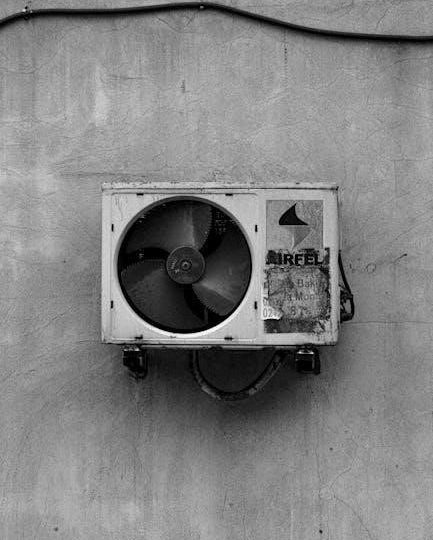
Soleus Air offers a diverse range of cooling solutions, including both portable and window air conditioners, designed to enhance comfort in various spaces. These units are engineered for efficient performance and user-friendly operation.
Whether you’re seeking a flexible cooling option with a portable unit or a more permanent solution with a window model, Soleus Air provides options to suit your needs. This manual serves as a guide to understanding and maximizing the benefits of your chosen Soleus Air product.
Properly utilizing this manual will ensure optimal performance and longevity of your air conditioner, providing years of reliable cooling. Thank you for choosing Soleus Air!
Understanding Your Model: Portable vs. Window Units
Soleus Air conditioners come in two primary types: portable and window units, each offering distinct advantages. Portable units provide flexibility, allowing you to cool specific rooms without permanent installation, utilizing an exhaust hose vented through a window.
Window units, conversely, are installed directly into a window opening, offering a more permanent cooling solution for a single room. They generally offer higher cooling capacity for their size. Understanding the differences is crucial for proper setup and operation.

This manual will address the specific installation and operational procedures for both types, ensuring you can effectively utilize your Soleus Air unit, maximizing its cooling potential and efficiency.
Setting Up Your Soleus Air Conditioner
Proper setup is essential for optimal performance. This section guides you through unboxing, installation, and ensuring a secure fit for both portable and window units.
Unboxing and Initial Inspection
Carefully unpack your Soleus Air conditioner, ensuring all components are present. Verify the unit hasn’t sustained damage during shipping. Inspect the air conditioner itself, the remote control (if included), the window kit (for window units), and the exhaust hose (for portable models).
Confirm you have received all listed accessories in the included documentation. Check for any dents, scratches, or loose parts. For portable units, locate the air intake vent and filter. For window units, examine the mounting brackets and seals. Retain the original packaging for potential returns or warranty claims. If any damage or missing parts are discovered, immediately contact Soleus Air customer support.
Installing a Portable Air Conditioner
Position the portable air conditioner near a window for exhaust hose ventilation. Ensure adequate space around the unit for proper airflow – avoid obstructions. Install the air intake vent with the removable/washable filter on the back of the unit.
Connect the exhaust hose securely to the unit and the window kit. The window kit adjusts to fit various window sizes, providing a sealed exhaust path. Proper sealing is crucial for efficient cooling. For single hose models, carefully follow the instructions for window kit installation. Ensure the window remains securely closed, preventing warm air from re-entering the room.
Connecting the Exhaust Hose
Securely attach the exhaust hose to the designated port on the portable air conditioner. Ensure a tight connection to prevent warm air leakage, maximizing cooling efficiency. Then, connect the other end of the exhaust hose to the window kit.
Proper alignment is essential; avoid kinks or bends in the hose, as these restrict airflow. The window kit should create a sealed connection with the hose. Regularly inspect the hose for damage or obstructions. A properly connected exhaust hose effectively vents hot air outside, contributing to optimal performance.
Window Kit Installation – Single Hose Models
Install the window kit into the desired window opening, ensuring a snug and secure fit. Adjust the kit’s panels to match your window’s size, minimizing gaps. For single hose models, the kit provides a pathway for the exhaust hose.
Proper sealing is crucial to prevent outside air from entering. Use the provided foam seals or weather stripping to fill any remaining spaces around the kit. Regularly check the seals for wear and tear. A well-installed window kit maximizes cooling efficiency and prevents energy loss. Ensure the window remains securely closed while the unit operates.
Installing a Window Air Conditioner
Window air conditioner installation requires careful attention to proper window support and secure mounting. Before beginning, ensure the window frame is strong enough to support the unit’s weight; use assistance if needed.
Proper sealing around the unit is vital to prevent air leaks and maximize cooling efficiency. Utilize the provided side panels and foam gaskets, adjusting them for a tight fit. Electrical connection must adhere to safety guidelines – use a grounded outlet and avoid extension cords. Always unplug the unit before servicing. Prioritize safety throughout the installation process.
Proper Window Support and Sealing
Ensuring adequate window support is crucial for safe operation. The window frame must withstand the air conditioner’s weight; reinforce if necessary. Utilize the provided brackets and follow installation instructions meticulously.
Effective sealing prevents air leakage, maximizing cooling efficiency. Employ the supplied side panels, adjusting them to create a snug fit within the window opening. Use foam gaskets to fill any remaining gaps, ensuring a complete seal. A properly sealed unit minimizes energy waste and delivers optimal performance. Prioritize a secure and airtight installation for best results.
Electrical Connection and Safety
Prioritize electrical safety during installation and operation. Always plug the air conditioner directly into a grounded outlet; avoid extension cords or adapters. Verify the outlet’s voltage matches the unit’s specifications.
The LCDI (Leakage Current Detection Interrupter) plug is a vital safety feature. If the plug trips, reset it by pressing the reset button. Repeated tripping indicates a potential electrical issue – discontinue use and consult a qualified electrician. Unplug the unit before any servicing or cleaning. Never operate with a damaged cord or plug. Adhering to these guidelines ensures safe and reliable operation.
Operating Instructions
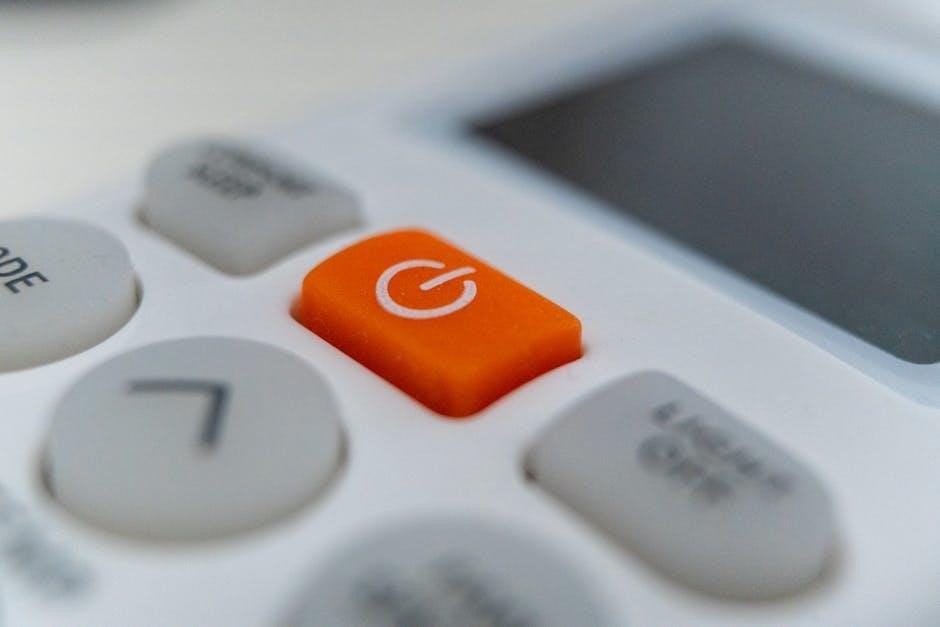
Turn on the unit using the POWER button, then select your desired mode – Cool, Fan, or Dry – for optimal comfort and control.
Powering On and Basic Controls
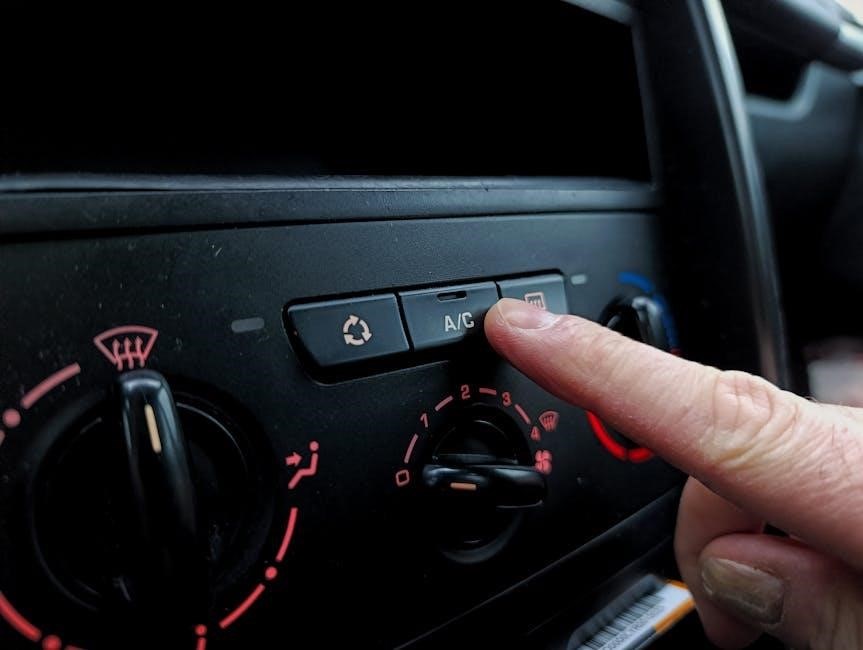
To initiate operation, locate the POWER button on the control panel of your Soleus Air conditioner. A firm press will activate the unit, bringing it to life and preparing it to cool your space. The control panel serves as the central hub for managing all functions.
Basic controls include the MODE button, allowing you to cycle through Cool, Fan, and Dry settings. The temperature adjustment buttons, typically marked with up and down arrows, enable precise temperature selection. Familiarize yourself with these core controls to effortlessly tailor the air conditioner’s performance to your specific needs.
The remote control, if included with your model, duplicates these functions for convenient operation from across the room. Ensure the remote has fresh batteries for optimal responsiveness.
Mode Selection: Cool, Fan, Dry
Soleus Air conditioners offer versatile operation through distinct modes: Cool, Fan, and Dry. Cool Mode actively lowers the room temperature, utilizing the compressor to remove heat and humidity, providing refreshing relief. Fan Mode circulates air without cooling, ideal for gentle ventilation and distributing air throughout the space.
Dry Mode, also known as dehumidifying, reduces moisture levels in the air, creating a more comfortable environment, especially in humid climates. Selecting the appropriate mode is crucial for achieving your desired comfort level.
To switch modes, repeatedly press the MODE button on the control panel or remote until the desired indicator light illuminates. Each mode caters to different needs, ensuring optimal performance and energy efficiency.
Cool Mode Explained
Cool Mode on your Soleus Air conditioner actively reduces room temperature by employing a refrigeration cycle. The unit draws in warm air, passes it over chilled evaporator coils, and expels cool air back into the room. Simultaneously, moisture is removed, contributing to a more comfortable and less humid environment.
Temperature settings within Cool Mode allow precise control over the desired cooling level. Lowering the temperature setting increases cooling intensity, while raising it reduces it. Energy efficiency is maximized by setting a reasonable temperature difference between the room and the desired cooling level.
The compressor is the heart of the cooling process, and its operation ensures effective temperature regulation.
Fan Mode Operation
Fan Mode on your Soleus Air conditioner provides air circulation without actively cooling the air. This mode is ideal for gently distributing air throughout the room or for use when cooling isn’t required, but ventilation is desired. In Fan Mode, the compressor remains off, resulting in lower energy consumption compared to Cool Mode.
Multiple fan speeds are typically available, allowing you to adjust the airflow intensity to your preference. Lower speeds offer a gentle breeze, while higher speeds provide more robust circulation. This mode can be particularly useful for complementing existing heating systems by distributing warm air more evenly.
Select the fan mode by pressing the ‘Mode’ button until the fan icon illuminates on the control panel.
Dry Mode (Dehumidifying) Function
Dry Mode, also known as the dehumidifying function, operates differently than cooling. It’s designed to reduce moisture levels in the air, creating a more comfortable environment, especially in humid climates. The unit functions by cooling the air to condense moisture, then draining the collected water. Importantly, Dry Mode typically operates at a lower fan speed to maximize water removal efficiency.
While Dry Mode does offer some cooling as a byproduct, its primary purpose isn’t temperature reduction. It’s best suited for damp spaces or when you want to minimize humidity without significantly lowering the room temperature. The compressor will cycle on and off to maintain optimal dehumidification.
Activate Dry Mode by repeatedly pressing the ‘Mode’ button until the dry icon appears on the display.
Temperature Adjustment and Settings
Adjusting the temperature on your Soleus Air conditioner is straightforward. Utilize the ‘Temp Up’ and ‘Temp Down’ buttons on the control panel or the remote control to set your desired room temperature. The display will show the set temperature. Remember that the unit operates to reach and maintain this temperature, not necessarily to instantly cool to it.
Most models allow temperature settings within a range of 60°F to 85°F (16°C to 29°C). For optimal energy efficiency, avoid setting the temperature too low. A difference of 5-8°F between the indoor and outdoor temperatures is generally recommended.
Some units feature a ‘Sleep’ function which gradually increases the temperature overnight for comfortable sleep and energy savings.
Using the Remote Control
The remote control provides convenient, long-distance operation of your Soleus Air conditioner. Ensure the remote has fresh batteries installed for optimal performance. Most functions mirrored on the unit’s control panel are also available on the remote – power, mode selection (Cool, Fan, Dry), temperature adjustment, and fan speed control.
The remote often includes additional features like a timer function for setting automatic on/off times, and a ‘Sleep’ mode for gradual temperature adjustments. Point the remote directly at the air conditioner’s control panel for reliable communication.
Keep the remote dry and avoid exposing it to direct sunlight or extreme temperatures.
Maintenance and Troubleshooting
Regular maintenance ensures peak performance and longevity. Troubleshooting common issues, like cooling problems or error codes, is covered to help resolve issues quickly.
Cleaning the Air Filter
Maintaining a clean air filter is crucial for optimal performance and air quality. Regular cleaning prevents dust and debris buildup, ensuring efficient cooling and extending the unit’s lifespan. The filter is typically located behind the air intake cover on the back of the unit.
To clean, gently remove the filter and wash it with mild soap and water. Ensure the filter is completely dry before reinstalling it. Frequency of cleaning depends on usage; however, cleaning every two weeks during heavy use is recommended. A clogged filter restricts airflow, potentially causing the unit to work harder and consume more energy. Inspect the filter regularly and replace it if damaged or excessively dirty.
Draining Water (Portable Units)
Portable air conditioners collect condensation during operation, which needs periodic draining to maintain efficiency. Most models feature a drain plug or a removable water tank. Regularly check the water level, especially during humid conditions, to prevent overflow.
To drain, carefully remove the plug or tank and empty the water into a suitable drain. Ensure the unit is unplugged before draining. Some units may have a continuous drain option, allowing for connection to a drain hose. Proper drainage prevents water damage and ensures optimal dehumidifying performance. Ignoring this maintenance step can lead to reduced cooling capacity and potential mold growth.
Troubleshooting Common Issues
Encountering problems with your Soleus Air unit? Several common issues have straightforward solutions. If the unit isn’t cooling, check the air filter for blockage and ensure proper ventilation. Verify the power cord is securely connected and the LCDI plug hasn’t tripped.
Error codes displayed on the unit indicate specific malfunctions; consult the manual for their meanings. A frozen coil might suggest low refrigerant or restricted airflow. If the unit is making unusual noises, inspect for loose parts or obstructions. Regular maintenance prevents many issues. If problems persist, don’t attempt complex repairs – contact customer support for assistance.
Unit Not Cooling
If your Soleus Air unit isn’t producing cold air, begin by inspecting the air filter. A clogged filter restricts airflow, hindering cooling performance. Ensure the filter is clean and properly installed. Next, verify the exhaust hose (for portable units) is securely connected and free of kinks or obstructions.
Confirm the unit isn’t set to “Fan Only” mode. Check for proper window sealing in window units to prevent warm air from entering. A frozen coil can also cause this issue; turn off the unit and allow it to defrost. If the problem persists, consult the error codes or contact customer support.
Error Codes and Their Meanings
Soleus Air conditioners utilize error codes to diagnose internal issues. While specific codes vary by model, common indicators include “E1” or “E2”, often signaling a sensor malfunction – potentially a temperature sensor issue. “E3” might indicate a compressor error, requiring professional service. “E4” frequently points to a problem with the evaporator or condenser coil.
Consult your specific model’s documentation for a complete list. If an error code appears, attempt to power cycle the unit (turn off, wait, then on). If the code persists, record it and contact Soleus Air customer support for assistance, providing the model number and error code for efficient troubleshooting.
LCDI Plug and Resetting
Soleus Air window units feature a Leakage Current Detection Interrupter (LCDI) plug for enhanced safety. This plug monitors for electrical leakage and will trip, cutting power if a fault is detected. If the unit shuts off unexpectedly, first check the power cord and outlet.
To reset the LCDI plug, press the “RESET” button located on the plug itself. Ensure the outlet is dry and properly grounded. Repeated tripping indicates a potential electrical issue requiring professional attention. Do not attempt to bypass or disable the LCDI plug, as it’s a crucial safety feature. Always unplug before servicing;
Advanced Features & Connectivity
Soleus Air offers models like the V40226 with WiFi control and app integration, enabling remote operation and convenient energy management features.
WiFi Control and App Integration (V40226 Model)
The Soleus Air V40226 model elevates your comfort experience with integrated WiFi connectivity. Users can download the Soleus Home Comfort app to gain complete control over their air conditioner from anywhere with an internet connection. This allows for convenient adjustments to temperature settings, mode selection (Cool, Fan, Dry), and fan speed – all from your smartphone or tablet.
App features include scheduling, enabling you to pre-cool or pre-heat your space before you arrive home. Remote monitoring provides real-time status updates, and the app facilitates easy registration of your unit. This smart functionality enhances convenience and contributes to potential energy savings by optimizing usage patterns. Ensure a stable WiFi connection for optimal performance and seamless control.
Energy Saving Tips
Maximize efficiency and minimize energy consumption with these helpful tips. Regularly clean the air filter to ensure optimal airflow – a clogged filter forces the unit to work harder. Utilize the scheduling feature within the app (V40226 model) to operate the AC only when needed, avoiding unnecessary cooling of empty rooms.
Seal any gaps around windows and doors to prevent air leakage, maintaining a consistent temperature. Consider using curtains or blinds to block direct sunlight during peak hours, reducing the cooling load. Set the temperature to a comfortable, yet reasonable level; even a small adjustment can yield significant savings. Proper insulation also plays a crucial role in energy conservation.
Safety Precautions
Always unplug the unit before servicing. Use multiple people for moving and installing the air conditioner, and adhere to all electrical safety guidelines.
Important Safety Warnings
Prioritize safety when operating your Soleus Air conditioner. Never use an extension cord, as it can overheat and pose a fire risk. Ensure the unit is properly grounded to prevent electrical shock. Do not operate the AC with a damaged power cord or plug.
Keep the air intake and outlet clear of obstructions to ensure efficient airflow and prevent overheating. Avoid inserting objects into the unit. Do not attempt to repair the AC yourself; contact qualified personnel for servicing.
Always disconnect the power before cleaning or performing maintenance. Be cautious when moving the unit, as it can be heavy. Never operate the AC in a wet or damp environment. Follow all electrical safety guidelines to prevent hazards.
Electrical Safety Guidelines
Ensure your Soleus Air AC is connected to a dedicated, properly grounded electrical outlet. Avoid sharing the outlet with other high-wattage appliances to prevent overloading. Inspect the power cord regularly for damage, and never operate the unit if the cord is frayed or damaged.
Always unplug the AC before cleaning, maintenance, or during extended periods of non-use. Do not use a damaged or loose outlet. If the LCDI plug trips, reset it by pressing the reset button – investigate the cause before re-attempting operation.
Never expose the electrical components to water or moisture. Consult a qualified electrician if you have concerns about your electrical system’s compatibility with the AC unit.
Warranty Information
Soleus Air provides warranty details for its products, covering defects in materials and workmanship. Contact customer support for specific terms and claim procedures.
Soleus Air Warranty Details
Soleus Air stands behind the quality of its air conditioning units with a limited warranty, protecting against manufacturing defects. The standard warranty period typically covers one year for parts and labor, beginning from the original purchase date. However, specific warranty lengths can vary depending on the model and retailer.
This warranty covers components that fail during normal use, such as the compressor, fan motor, and control panel. It does not cover damage resulting from misuse, improper installation, accidents, or natural disasters. To make a warranty claim, retain your proof of purchase and contact Soleus Air customer support. They will guide you through the process, which may involve troubleshooting or arranging for repair or replacement.
Registration of your product may be required to activate the full warranty benefits. Always refer to the warranty card included with your unit for the most accurate and up-to-date information.
Contacting Customer Support
Soleus Air provides several avenues for customers needing assistance with their air conditioning units. For immediate support, you can reach their customer service team via phone during business hours. A dedicated email address is also available for submitting inquiries and detailed questions.
Furthermore, Soleus Air maintains a comprehensive website with a frequently asked questions (FAQ) section, troubleshooting guides, and downloadable manuals. For the V40226 model, you can download the “Soleus Home Comfort” app for additional support and control.
When contacting support, have your model number and proof of purchase readily available to expedite the process. Be prepared to describe the issue in detail, including any error codes displayed on the unit. Their team is committed to providing efficient and helpful solutions.